For trades 6 min read
Ready for the Winter Rush: A Seasonal Playbook for UK Tradespeople
How plumbers, heating engineers, roofers and other trades can prepare for winter demand — managing capacity, stock, pricing, cash flow and safety through the busiest months.
By The Happome team
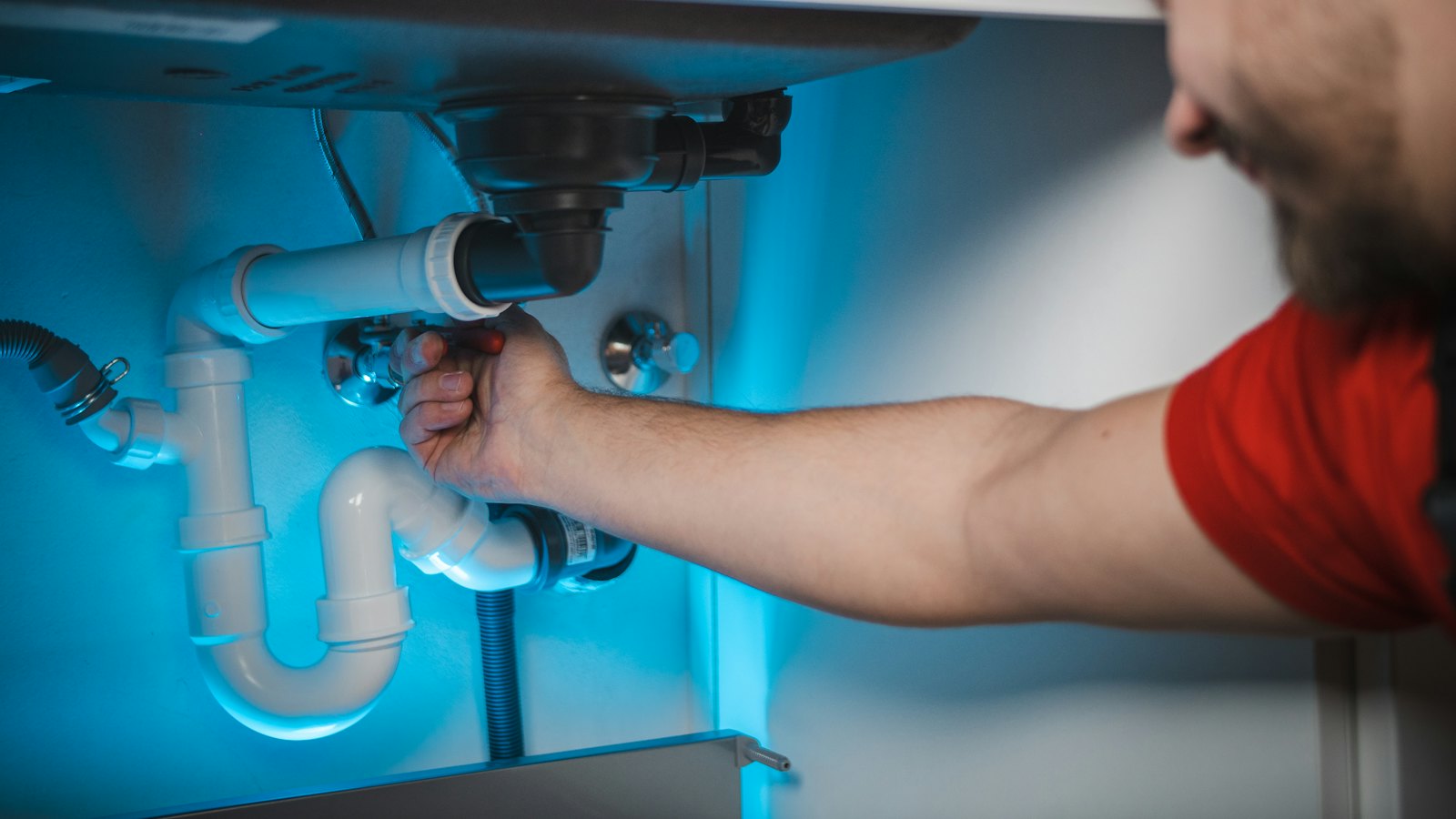
Photo: Timur Shakerzianov on Unsplash
For many trades, winter isn't one season. It's three: the autumn scramble as homeowners remember their boiler service, the first cold snap that floods your phone with breakdowns, and the January lull when the post-Christmas squeeze kicks in.
Handled well, winter can be the most profitable stretch of your year. Handled badly, it means 14-hour days, missed calls, burnt-out teams and a cash flow wobble in February. The difference is usually preparation.
This playbook is for heating engineers, plumbers, roofers, electricians, damp specialists, gutter cleaners and general builders who want to make the most of winter demand without being run ragged by it.
Know what's coming

Winter demand in UK homes follows a fairly predictable pattern.
Autumn (September–November)
- Boiler services and safety checks as homeowners switch the heating on
- Heating not working after the summer
- Gutter clearing and roof checks once leaves fall
- Draught-proofing, insulation and window repairs
- Chimney sweeping
- Quotes for boiler replacements and heating upgrades
The first cold snap
- Boiler breakdowns and pressure problems
- Frozen condensate pipes stopping condensing boilers
- No hot water calls
Deep winter (December–February)
- Burst pipes, often when frozen pipes thaw
- Storm damage to roofs, chimneys, fences and gutters
- Leaks found in lofts after heavy rain
- Damp, condensation and mould enquiries
Late winter into spring
- Repairs that were patched up during winter
- Larger projects planned over the dark months
Look back at your own records. When did your phone get busiest last year? Which jobs came in? Use that to plan.
Fill your diary before the rush
The smartest way to manage winter is to book the predictable work early, so the unpredictable work has room.
- Contact last year's service customers in late summer and early autumn. Offer them a slot before the cold weather starts.
- Push planned work into autumn. Encourage customers who want boiler replacements, insulation or roof repairs to book before the busy season.
- Offer a booking incentive for early-season appointments, such as a small discount or a free extra check.
- Publish clear availability on your website or social media so customers know when to book.
A full diary of planned work in October means less firefighting in December.
Plan your capacity honestly
The temptation in winter is to say yes to everything. The result is late arrivals, rushed jobs, frustrated customers and unhappy reviews.
- Leave buffer time in your diary each day for emergencies and overruns.
- Decide your emergency policy: will you do out-of-hours call-outs? At what rate? For existing customers only?
- Prioritise vulnerable customers — older people, families with babies, people with health conditions — when there's no heat or water.
- Build a network of trusted trades you can refer work to when you're full. Referring a customer to someone reliable is better than leaving them waiting a week.
- Plan for sickness. Winter bugs hit teams too. Know who can cover.
Being honest about when you can attend is far better for your reputation than promising and missing.
Stock up and get your van ready

Running out of a common part in a cold snap means extra trips, delayed jobs and lost money. Supply chains also tighten when everyone needs the same parts.
- Stock the common winter parts for your trade: pressure relief valves, diverter valves, fans, pumps, PCBs and sensors for the boilers you work on most; fittings, pipe and lagging; roof tiles, slates, flashing and sealants.
- Build relationships with your merchants so you can get priority on parts.
- Service your van before winter, check tyres and batteries, and keep a winter kit: de-icer, scraper, torch, blanket, shovel, water and snacks.
- Check your tools and PPE, including waterproofs, head torches and non-slip footwear.
Get your pricing right
Winter is when you're most in demand, and it's when underpricing hurts most.
- Review your rates before the season, accounting for higher fuel and material costs.
- Be transparent about call-out charges, out-of-hours rates and what's included. Surprises on invoices are one of the biggest causes of complaints.
- Offer fixed prices for common jobs such as boiler services, gutter clears or condensate pipe fixes. Customers like certainty.
- Quote properly for bigger jobs. Don't rush a quote in the busy season and regret it later.
Protect your cash flow
Winter can be busy and broke at the same time. You're buying more stock, running the van harder and working more hours — while January brings customers who are slower to pay and fewer planned jobs.
- Invoice promptly, ideally on completion.
- Take payment on the day for smaller jobs by card or bank transfer.
- Agree stage payments for larger projects.
- Set aside money for tax — the self-assessment deadline of 31 January falls right in the middle of winter.
- Plan for January. Build a buffer in the busy autumn months to cover the quieter weeks.
Work safely in winter conditions
Winter brings extra risks: short daylight hours, wet and icy surfaces, high winds and cold.
- Don't work at height in high winds, ice or heavy rain. Reschedule rather than take the risk. Follow HSE guidance on working at height, and use the right access equipment.
- Plan daylight jobs carefully, especially roofs and exteriors. Schedule outdoor work early in the day.
- Watch for electrical risks around water leaks and wet areas.
- Look after yourself: layers, breaks, hot drinks and proper rest. Fatigue causes mistakes.
Communicate clearly when you're busy
In winter, customers are often cold, stressed and anxious. Clear communication makes a huge difference.
- Acknowledge every enquiry quickly, even if it's to say you're fully booked.
- Give realistic arrival windows and message if you're running late.
- Offer simple interim advice where it's safe to do so — how to re-pressurise a boiler, thaw a condensate pipe with warm water or turn off the stopcock. It shows care, builds trust and sometimes solves the problem.
- Use an automatic reply or voicemail message at your busiest times that sets out your availability and what to do in a gas emergency.
Turn winter work into year-round business
Every winter customer is a potential long-term relationship. The homeowner whose boiler you fixed in December could book an annual service, recommend you to their neighbours, and call you for their bathroom refit in spring.
Before you leave, ask whether they'd like a reminder when their next service is due, and keep a note of the job and their system. A short follow-up message a week later to check everything's working is also the natural moment to ask for a review.
Your winter-ready checklist
- Last year's service customers contacted
- Planned work booked into autumn
- Emergency and out-of-hours policy decided
- Trusted referral network in place
- Common parts stocked; van serviced
- Prices and call-out charges reviewed and published
- Cash buffer and tax money set aside
- Safety plans for weather and working at height
Preparation is what turns winter from a season you survive into one you look forward to.
Happome connects UK homeowners with good local tradespeople — helping you find the customers who value quality work.
Enjoyed this? Pass it on.
Know someone who'd find it handy? Send it their way.