Making a home 7 min read
Your First Year as a Homeowner: What Nobody Tells You
The practical things every new UK homeowner should know in their first year — from finding the stopcock to keeping records, budgeting for repairs and avoiding costly surprises.
By The Happome team
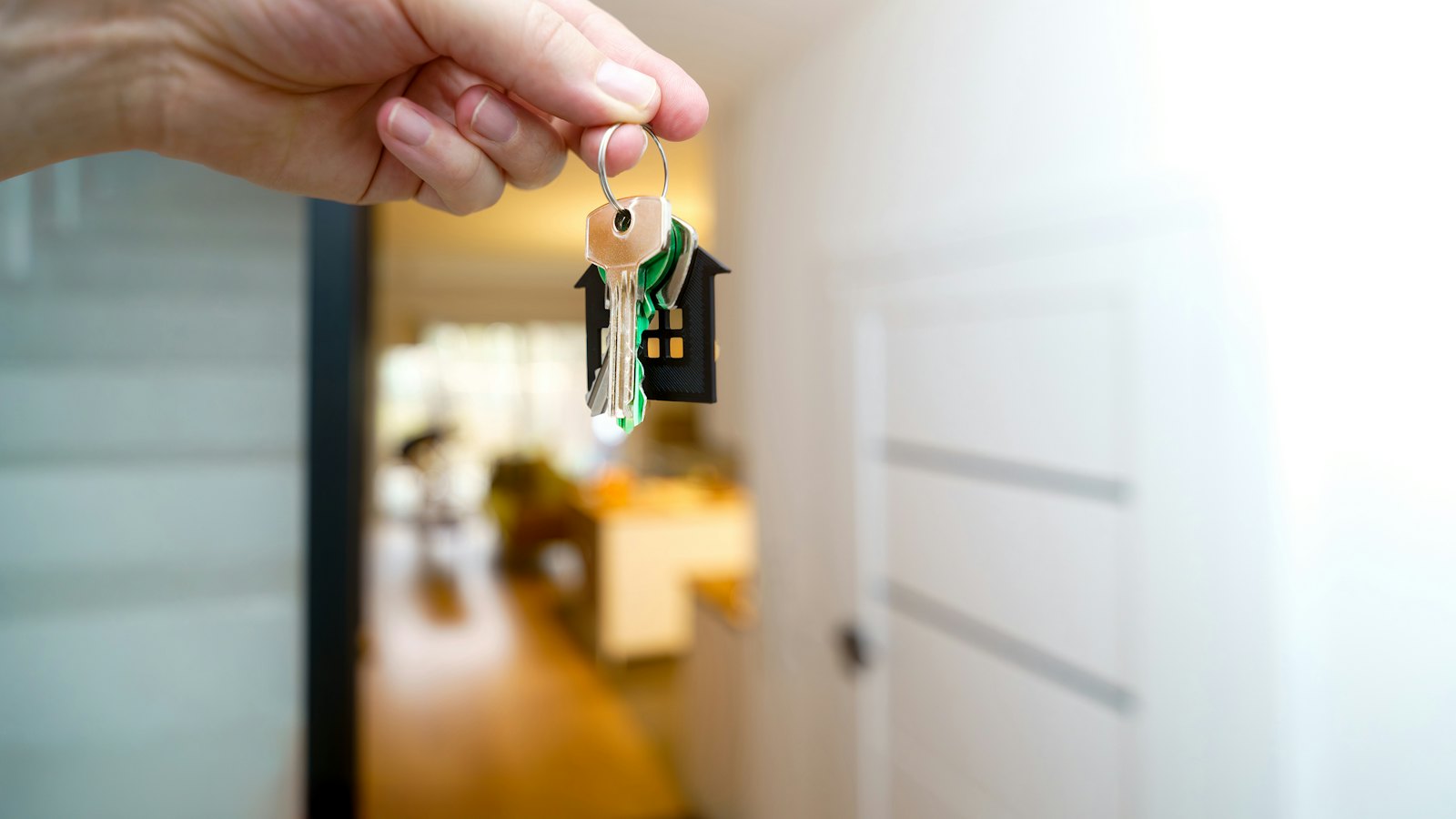
Photo: Jakub Żerdzicki on Unsplash
The mortgage is approved, the solicitors have done their bit and the keys are finally yours. Then the boxes are unpacked, the excitement settles, and you realise there's nobody to ring when the boiler makes a strange noise.
Owning a home is brilliant. It's also a responsibility that most of us learn on the job. This guide covers the things that new homeowners wish someone had told them at the start.

In your first week: find the important things
Before anything goes wrong, walk around your home and locate the following. Label them if you can, and make sure everyone in the house knows where they are.
The internal stopcock. This shuts off the mains water. It's usually under the kitchen sink, but it can be in a downstairs toilet, a utility room, under the stairs or beneath the floor near the front door. Turn it to check it moves — stiff stopcocks are common and much better discovered now than during a leak.
The consumer unit (fuse box). Know which switch controls which circuit, and check whether it has modern RCD protection. If the labelling is missing or unclear, fix that while everything is working.
The gas meter and emergency control valve. Usually next to the meter. The lever is "off" when it sits at right angles to the pipe.
The boiler, its manual and its controls. Find the model number and photograph the data plate. Learn how to check and top up the pressure if it's a system or combi boiler (many sit between 1 and 1.5 bar when cold — your manual will confirm).
The loft hatch, any water tanks and the hot water cylinder if you have one.
Smoke and carbon monoxide alarms. Test them. You should have a working smoke alarm on every storey and a carbon monoxide alarm in any room with a fuel-burning appliance such as a gas boiler, open fire or wood burner.
Save the key emergency numbers in your phone: the National Gas Emergency Service (0800 111 999), 105 for power cuts, and your water company's leak line.
Get your paperwork in one place
Your conveyancing pack contains a lot of valuable information, and it's easy to lose track of. Create one folder, physical or digital, for:
- Your title documents and completion statement
- The survey report (keep it — it's a to-do list for your first few years)
- Warranties and guarantees for the boiler, windows, damp-proofing, roof or any recent work
- Building regulations completion certificates and any planning permissions
- Your EPC (energy performance certificate)
- Electrical and gas safety certificates
- Appliance manuals
- Home insurance and mortgage documents
If you bought a new-build, check the details and expiry dates of your structural warranty and the developer's snagging period. Report defects promptly and in writing.
Read your survey again
Many buyers skim the survey during the stress of a purchase, then forget about it. Read it again with fresh eyes. Surveyors often flag things that aren't urgent but will become expensive if ignored: a slipped roof tile, a blocked gutter, cracked render, an ageing boiler or signs of past damp.
Make a list in three columns: urgent, this year, and keep an eye on. That list becomes your first-year plan.
Budget for maintenance from day one
This is the one that catches people out. When you rented, the landlord paid for repairs. Now it's you.
A common rule of thumb is to set aside around 1% of your property's value each year for maintenance and repairs. Older properties often need more. Even if you can't manage that straight away, a dedicated savings pot that you add to monthly means a broken boiler is an inconvenience, not a crisis.
Check your insurance actually covers you
Buildings insurance is usually a mortgage requirement; contents insurance is optional but sensible. Read the policy rather than just filing it. Look for:
- Escape of water cover — one of the most common claims in UK homes
- Accidental damage, which is often an add-on
- Unoccupancy rules — many policies restrict cover if the home is empty for more than 30 or 60 consecutive days
- Home emergency cover for boilers, plumbing and locks — compare its cost with simply having a good maintenance fund
Service the boiler and get to know your heating
If you don't know when the boiler was last serviced, book one with a Gas Safe registered engineer. An annual service keeps it efficient, catches problems early and is often a condition of the manufacturer's warranty.
Spend some time learning your heating controls. Set the programmer to match your routine, use thermostatic radiator valves to keep unused rooms cooler, and find the frost setting for when you're away in winter.
Change the locks
You have no idea how many keys to your front door exist. Previous owners, their family, cleaners, dog walkers and builders may all have had copies. Changing the locks, or at least the cylinders, is inexpensive and gives you peace of mind. While you're at it, check that your locks meet the requirements of your insurance policy.
Don't rush into big projects
It's tempting to knock walls down in month one. Resist. Living in a home through all four seasons tells you how it really works: where the light falls, which rooms get cold, where damp appears, how you actually use the space.
Use your first year to fix problems and make small improvements. You'll make far better decisions about kitchens, extensions and layouts once you know the house properly.
When you do start larger projects, check whether you need planning permission or building regulations approval, and whether you live in a conservation area or a listed building. If you share a wall with a neighbour, the Party Wall Act may apply to certain work.
Learn a few basic skills
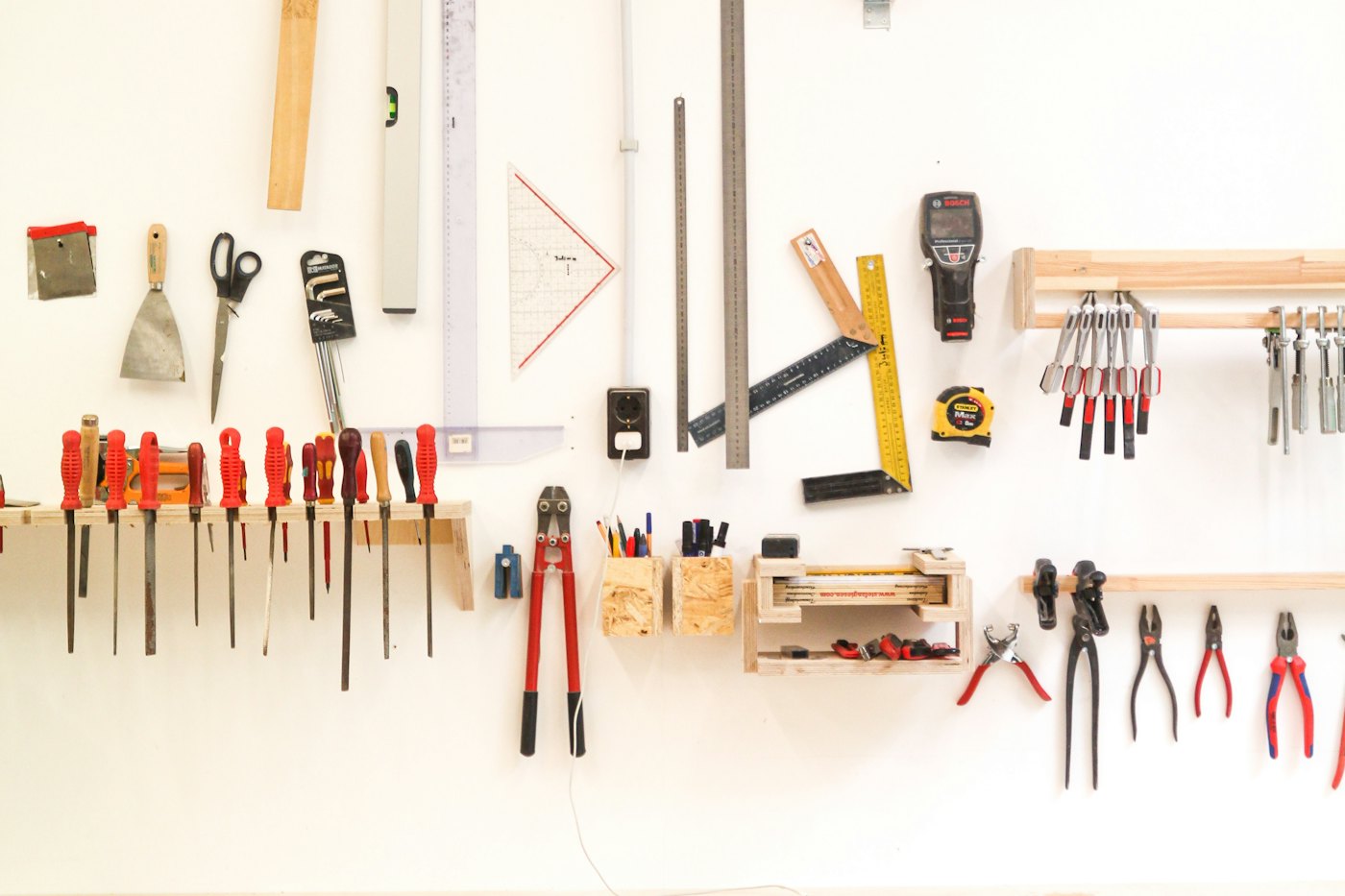
You don't need to become a builder, but a few simple jobs will save you money and stress:
- Bleeding a radiator
- Re-pressurising a combi boiler
- Resetting a tripped circuit
- Clearing a slow sink or shower drain
- Replacing a tap washer
- Re-sealing around a bath or shower
Anything involving gas must be done by a Gas Safe registered engineer, and most electrical work beyond changing a light fitting should be left to a registered electrician.
Start building your list of trusted tradespeople
The best time to find a good plumber is before you urgently need one. Ask neighbours, local community groups and friends for recommendations. When someone does a good job, save their details and leave them a review. A small, reliable list — plumber, electrician, gas engineer, roofer, general builder — is one of the most valuable things a homeowner can own.
Get to know your neighbours
Good neighbours make a home happier and safer. They'll take in parcels, keep an eye on the house when you're away, tell you which tradespeople they trust, and let you know about local quirks — the drain that floods every autumn, or the road that ices over first.
Keep a home log
Finally, start a simple record of everything that happens to your home: services, repairs, meter readings, paint colours, who did what and when. It makes maintenance easier, helps with warranty claims and will be valuable when you eventually sell.
Your first year as a homeowner is a learning curve. Take it one season at a time, and before long you'll know your home inside out.
Happome helps UK homeowners look after their homes with confidence — from everyday upkeep to finding trusted tradespeople when you need them.
Enjoyed this? Pass it on.
Know someone who'd find it handy? Send it their way.